
Truth Versus the Company Record
Heart of DarknessThis flow traces how the struggle over Kurtz’s reputation shifts from the interior to the handling of his papers in Europe.
increasing Bearing strength in each event
 decreasing
Bearing strength in each eventdecreasingThe Report’s Contradiction
A Document Divided
A Public Commission
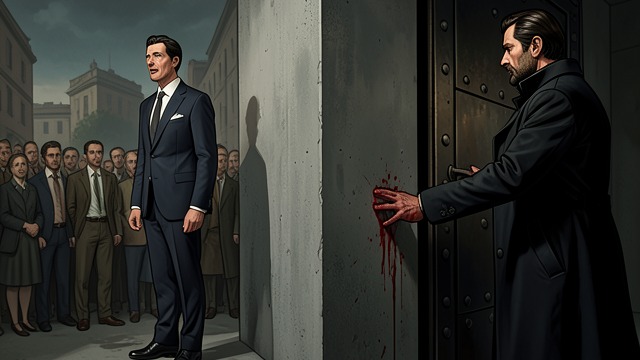
Kurtz wrote a report for an organization dedicated to the Suppression of Savage Customs. Its eloquence described European influence as benevolent and unlimited.
The Violent Note
The report ended with the command “Exterminate all the brutes!” The postscript exposed a gulf between the document’s public argument and its violent conclusion.
A Conflict of Interpretation
The paper could be presented as proof of humanitarian promise or as evidence of corruption. Its meaning depended on which part a reader chose to preserve.
The Company’s Inquiry

A Claim to the Papers
Official Interest
A Company representative asked Marlow for Kurtz’s documents, citing the need for knowledge about unexplored regions. The request framed private papers as corporate property.
Marlow’s Refusal
Marlow withheld the materials and disputed their relevance to commerce or administration. He refused to let the Company define the only legitimate use of Kurtz’s record.
Information as Power
The dispute concerned not just possession but control of public memory. The Company wanted the useful parts of Kurtz’s knowledge without accepting a full account of his life.
The Journalist’s Request
A Different Audience
A Colleague’s Memory
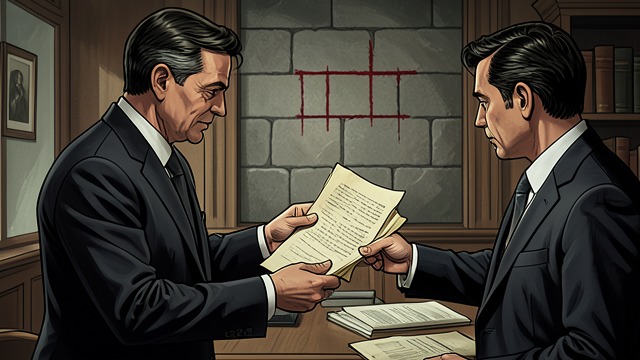
A journalist sought information about Kurtz and presented him as a potential political leader. His interest centred on Kurtz’s persuasive power and public influence.
Marlow’s Decision
Marlow handed the journalist Kurtz’s report with its final postscript missing. The document could circulate, but its most disturbing sentence would not accompany it.
A Partial Record
The choice preserved Kurtz’s eloquence while withholding an essential contradiction. Marlow’s intervention made him an active editor of the dead man’s legacy.
The Intended’s Request
Private Truth Under Pressure
A Grieving Listener
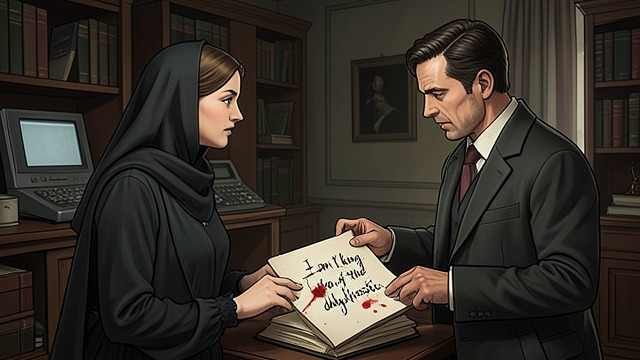
The Intended asked Marlow about Kurtz’s final words. Unlike the Company and journalist, she wanted an intimate message rather than a professional record.
The Cost of Accuracy
The actual cry would have contradicted the ideal figure she mourned. Marlow had to judge the likely harm of truth as well as his obligation to it.
A New Kind of Conflict
The struggle over Kurtz’s memory became personal. The question was no longer only who owned the documents but who could bear the whole story.
The Final Concealment
An Answer That Changes Memory
The False Report
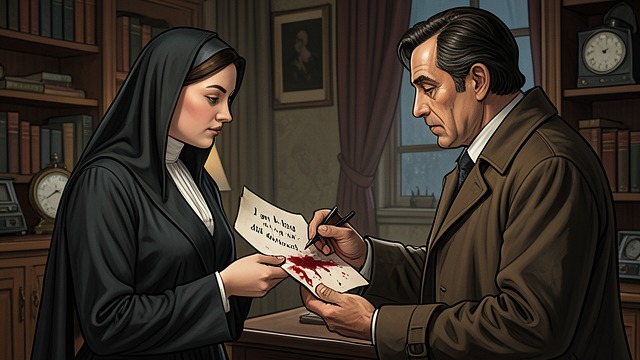
Marlow told the Intended that Kurtz had spoken her name before dying. He concealed the words that had been his final judgment.
Belief Restored
She accepted the answer and found confirmation of her devotion. The lie allowed her to continue believing that Kurtz’s last thought had been their bond.
The Conflict Remains
Marlow’s answer ended the conversation but not his moral unease. The truth survived in his memory, while the Intended left with a story he had chosen for her.
After Marlow learns about Kurtz’s report
After Marlow returns to Europe
Several days after the Company representative visits
More than a year after Kurtz’s death
At the end of Marlow’s visit to the Intended
